
Thank you for your visit. A purpose of this site is to help spur dialogue about how our communications infrastructure operates, with an emphasis on how it’s funded, as I believe change is needed. Here’s why:
Although I came to consider solutions to the problem of a high concentration of unaccountable power in media corporations while working in corporate media, I’m interested in the study (and practice) of creativity as a bulwark against all forms of predation – within media companies, certainly – but also in all its social, political, and economic manifestations.
Because I believe that it can be in coming together, sharing ideas, and supporting one another that we may be able to root out harmful systems (not people) that would prevent us from moving forward together as interconnected – but, still, independent – thinkers, I am interested in identifying barriers to collaboration so that good ideas can break through more easily.
Once I realized, after no longer working in news, I started to feel a bit like a refugee, or, at least like I was living in a country in which I had no voice, I began to wonder whether this was a common feeling; and I founded an organization in 2016 to explore the idea that democratic forms of governance are preferable to rule by media corporations. I knew I had observations to share, but I didn’t know where to communicate them. How could my ideas be heard, intact; and how could others’ as well?, I wondered.

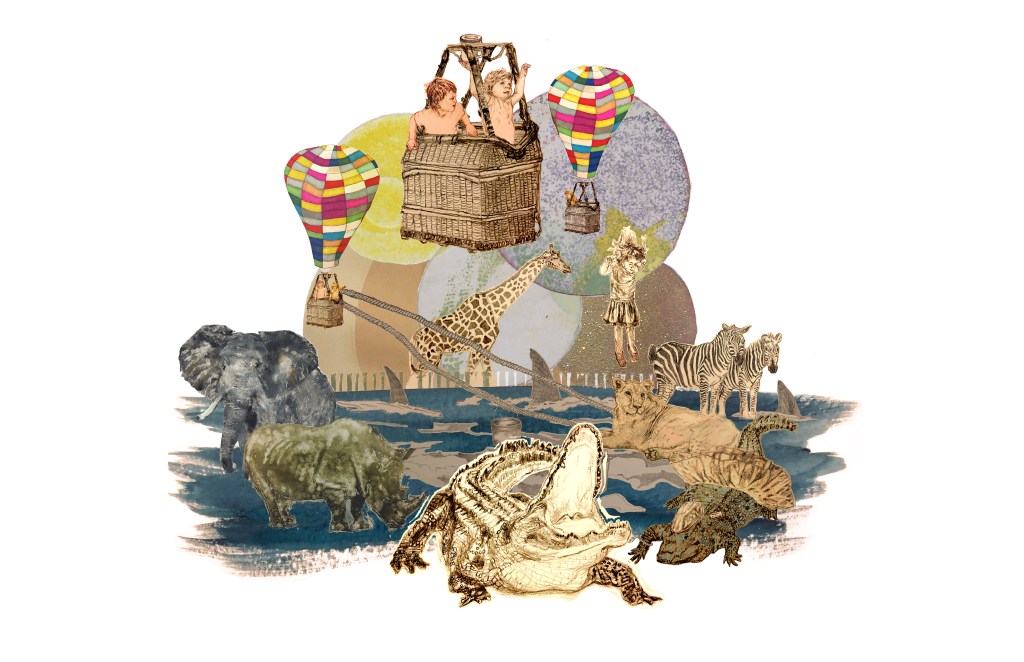
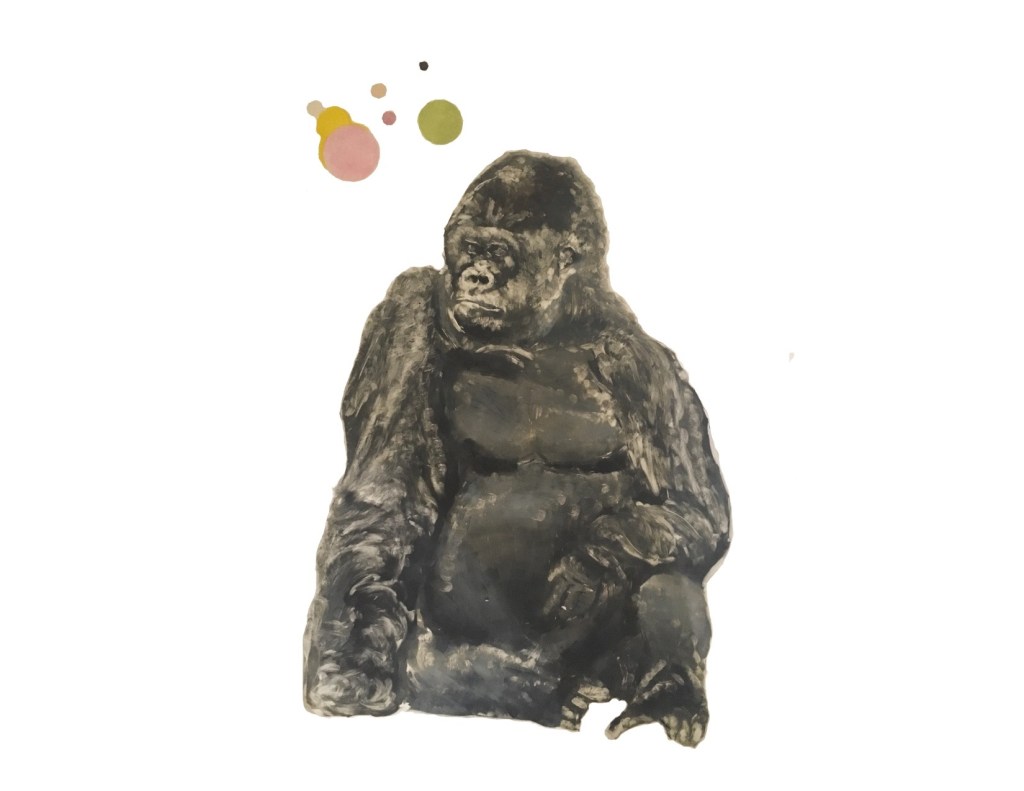
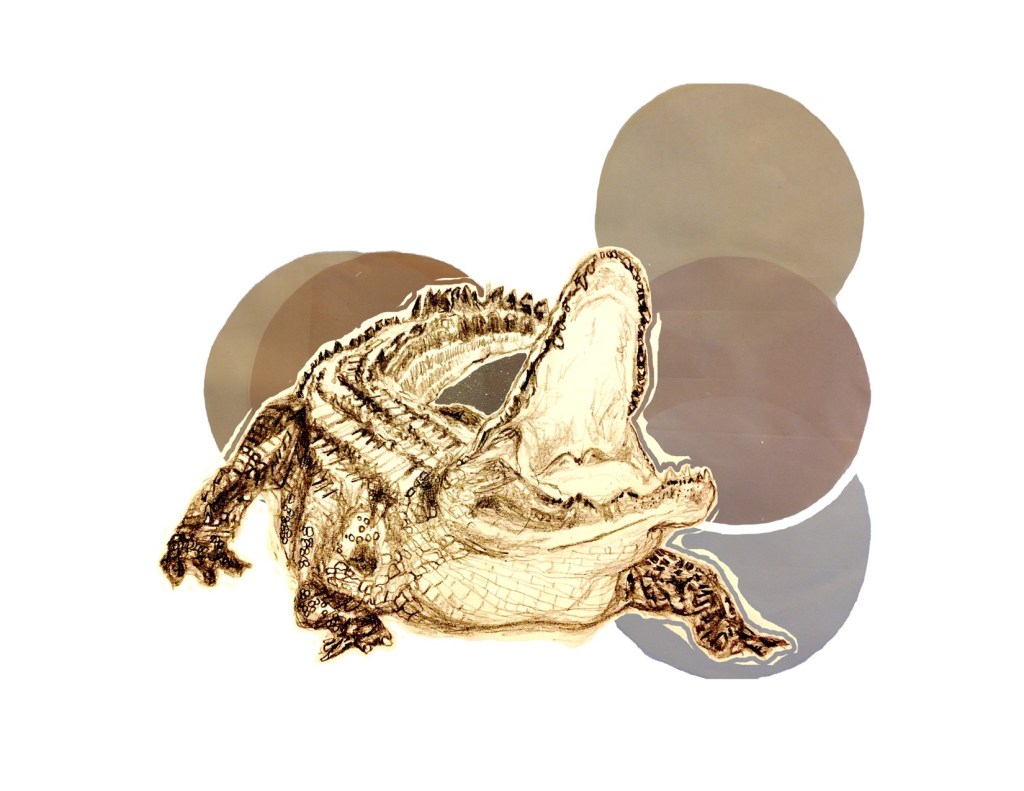
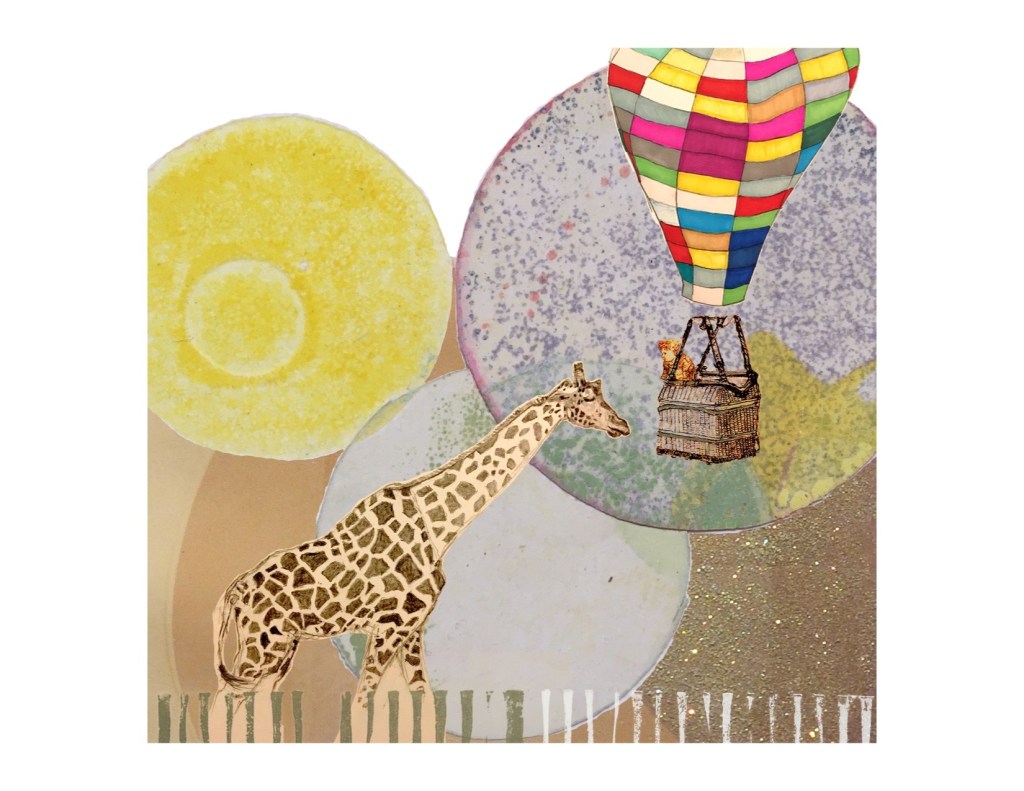
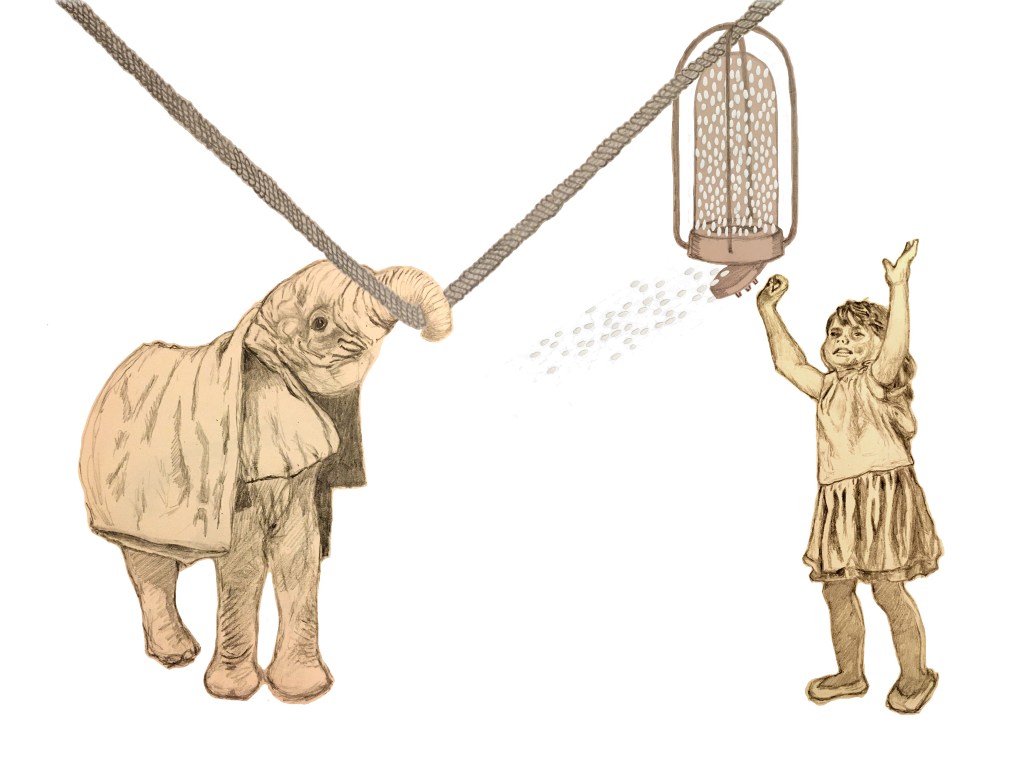
After almost no one seemed willing to listen to proposed solutions to concerns I’d expressed both about women’s safety in large media corporations, as well as what seemed to be these ratings-focused organizations’ increasingly harmful effects on the world, I began to express my thoughts in a book. By using the metaphor of animals, I hoped to convey in words & pictures that meaningful ideas can be discovered and contributions made by anyone from anywhere (even if they don’t work for media companies).
Public debate of corporate media business models could, I believe, enable the disentanglement of such unhelpfully conflated topics as investment and speculation in our economy, formal and compositional structural integrity in our Constitution’s interpretation, and procedural and distributive justice in governance.
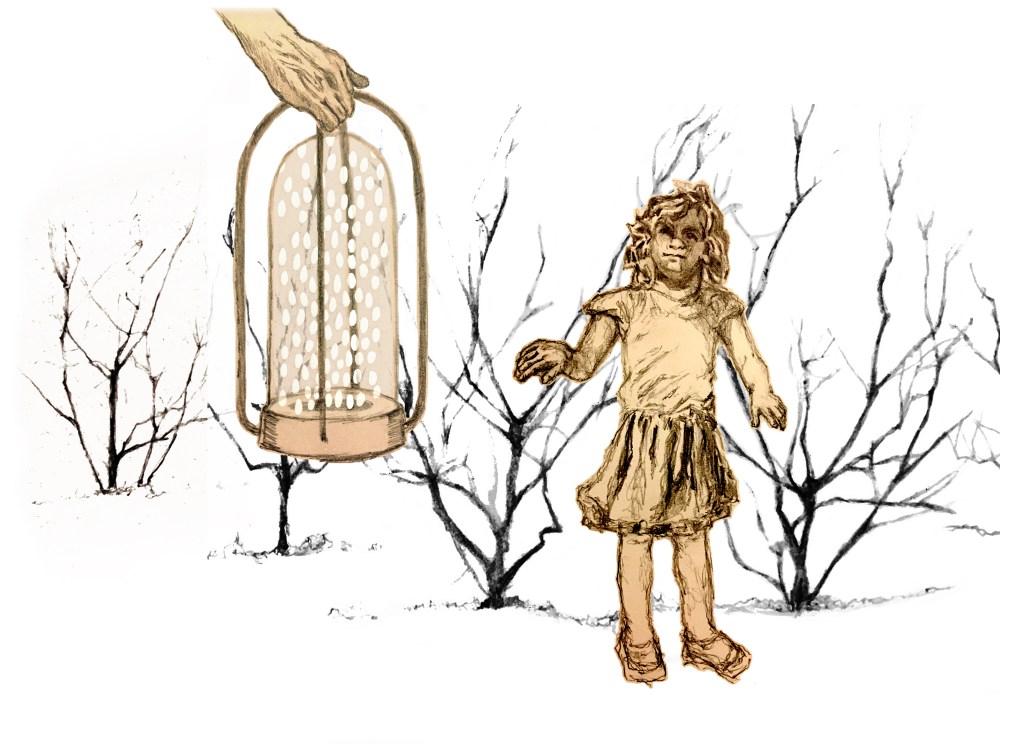
It could also, arguably, help encourage news corporations to be safer places for women, enabling ideas and solutions to be heard from those who may have felt unsafe in corporate journalism environments.
And help encourage progress for everyone, including so-called “badguys.”
As a person from Plymouth, Massachusetts, I further believe that, though predation is not built into the country’s framework, it is arguably endemic to publicly-traded journalism business models. As shared in in 2016, I wonder whether one source of many problems facing the country is its journalism sector’s intertwinedness with the stock market and whether, while the golden rule applies to people, it may not always apply to corporations.
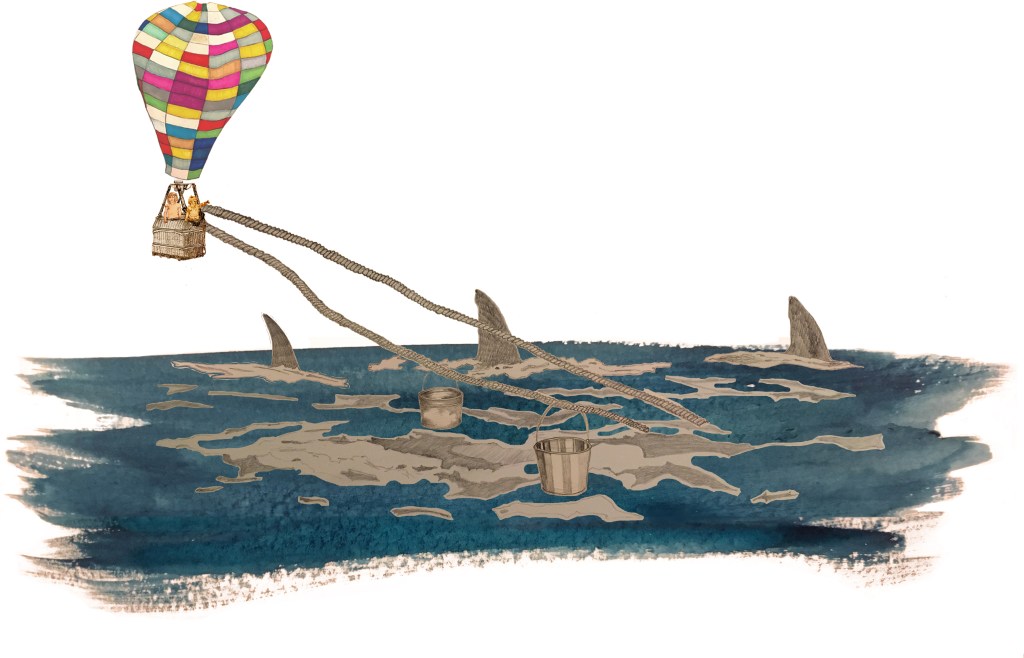
While, in 2017, I further described one possible solution based on the idea that human rights trump corporate ones, and that publicly-traded journalism corporations may be considered unconstitutional entities, it’s felt hard to find media organizations willing to listen. But because it still feels like structural change is needed, I’ve continued to speak about the topic. In the meantime, I’ve learned that, even when feeling unheard, one can still feel content producing content.
Although I by no means believe all online content should be given the same amount of weight, I have come to believe that, in the future, an outlet’s affiliation with publicly-traded news companies will be seen in the same way an athlete’s indulgence in illegal steroids is viewed today. And that now may be the time to consider rising above.
Even though, over the past several years, many in media have made helpful changes, I still believe these cannot possibly be considered last steps in the renovation of our communications infrastructure, and that it may be helpful for long-standing proposed alternatives to journalism corporations’ funding via stock market to be considered. Not to do so would arguably be to be lulled into what could be termed a sort of false Pax Corporate Media and a direct route to becoming what could be termed the United States of Media Corporations.
In 2019, I shared in more detail why I believe the disentanglement of Wall Street and journalism may be an important step toward a more inclusive and more progressive media ecosystem, although I’ve been surprised by how difficult it has felt to find feedback. As for the how, I believe the best way for any person, or country, to contribute while evading corporate capture may be to at least attempt to express more honesty, courage, and creativity; and I still hope to learn whether anyone agrees.
 Recent Writing